Key takeaways
- Building out keeps the house livable and is often simpler, but it uses the yard.
- Building up saves the yard but needs a strong existing structure and more disruption.
- Stairs, rooflines and mechanical systems are major design decisions for a second story.
- A feasibility review of the lot and the structure shows which option is realistic.
What the yard allows
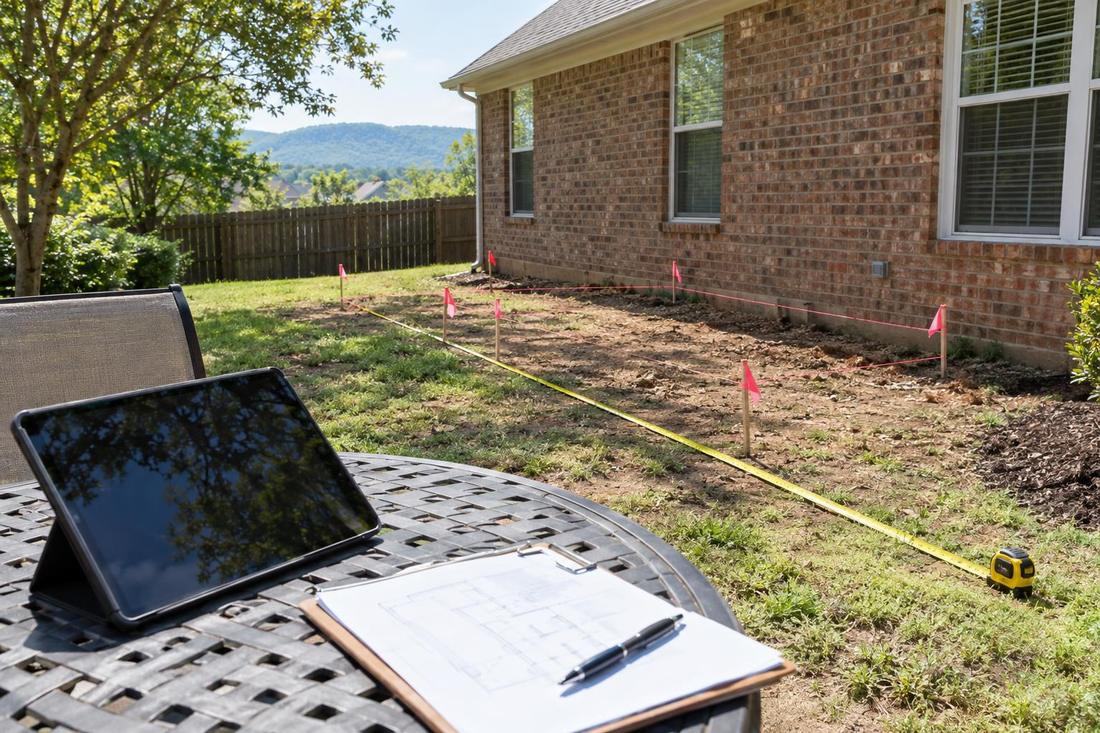
Setbacks, lot coverage and trees limit how far a house can grow outward. On a small lot, a ground-level addition may not fit at all, and a second story may be the only way to add bedrooms. On a large lot, building out may be the simpler and more natural choice.
A survey tells you how much room you really have.
What the structure allows
A second story adds weight to walls, beams and foundation that were designed for one floor. Many houses can take it with reinforcement, and some cannot. A ground-level addition has fewer questions because it stands on its own new foundation.
A structural review is the first step for building up.
Living through construction
Building out leaves the existing house mostly untouched until the connecting wall opens. Building up means the roof comes off, and families often need to move out for part of the work. Weather protection and speed are critical during that stage.
Ask how long the house will be open and how it will be protected.
Looks and layout
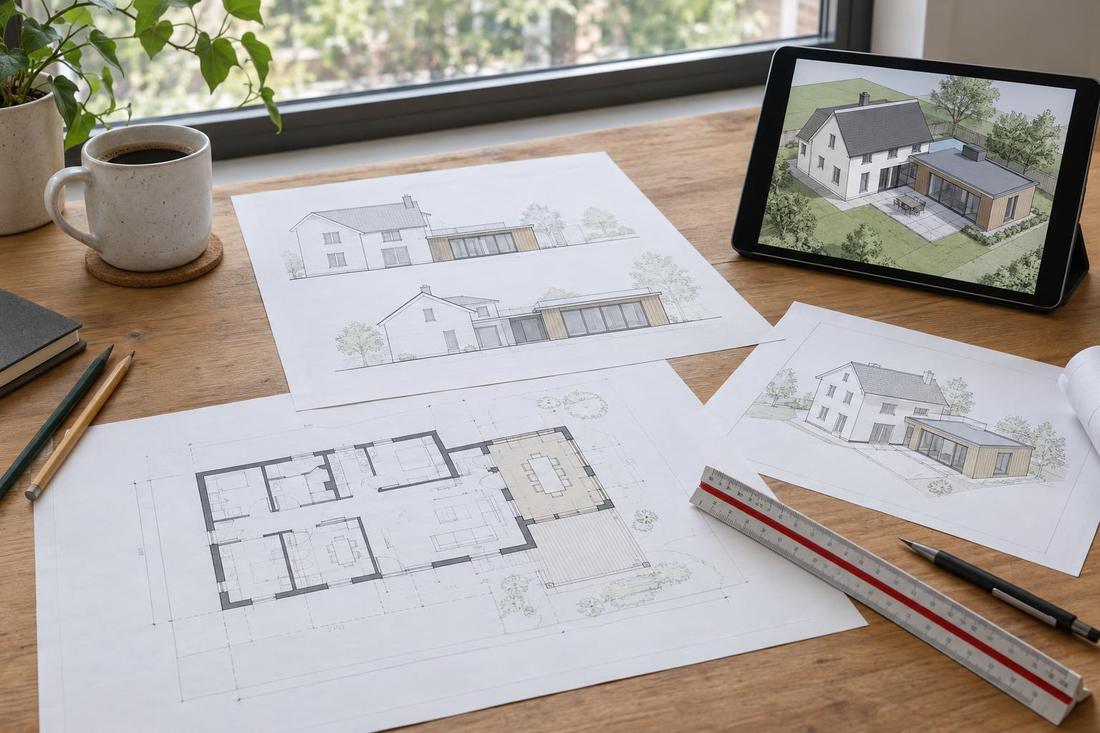
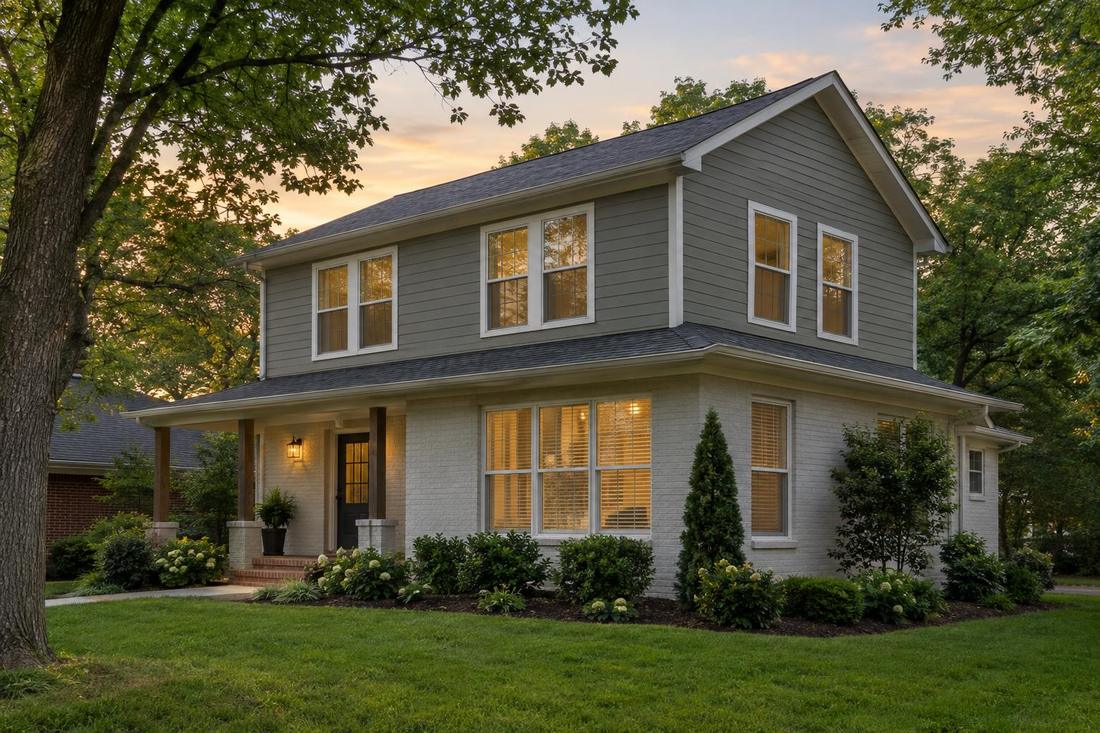
A second story changes the look of the house from the street, so proportions and rooflines matter. Stairs take space on both floors and must be placed carefully. A ground-level addition needs a roof that blends with the old one and a floor that lines up.
Sketching both options helps you decide.
Official sources and further reading
These are independent organizations. Links open in a new tab.
Quick answers
Is building up always more expensive than building out?
Not always. It depends on the structure and the details, so compare drawings and scopes rather than guessing.
Can I combine the two?
Yes. Some owners add a ground-level room with a second-story section above it.