Key takeaways
- The foundation should match the existing house and the site, not just the quickest option.
- Slabs are simple and fast, crawl spaces give access to utilities and basements add usable space.
- Soil, slope and water decide how deep and how strong footings must be.
- Tie-in details to the old foundation are as important as the new footings.
Slab on grade
A slab is a thick concrete floor poured on prepared ground with thickened edges. It is quick and works well on flat sites. It does not give access to utilities below the floor, and the finished floor height should line up with the old floor, which can be a challenge when the existing house sits higher.
Insulation and moisture barriers under the slab are important.
Crawl space
A crawl space lifts the floor above the ground and provides room for pipes and ducts. It matches many existing Tennessee homes and makes it easier to line up floor heights. It needs moisture control, ventilation or sealing and insulation to stay dry and comfortable.
A properly sealed crawl space is healthier than an open vented one in many cases.
Basement and piers
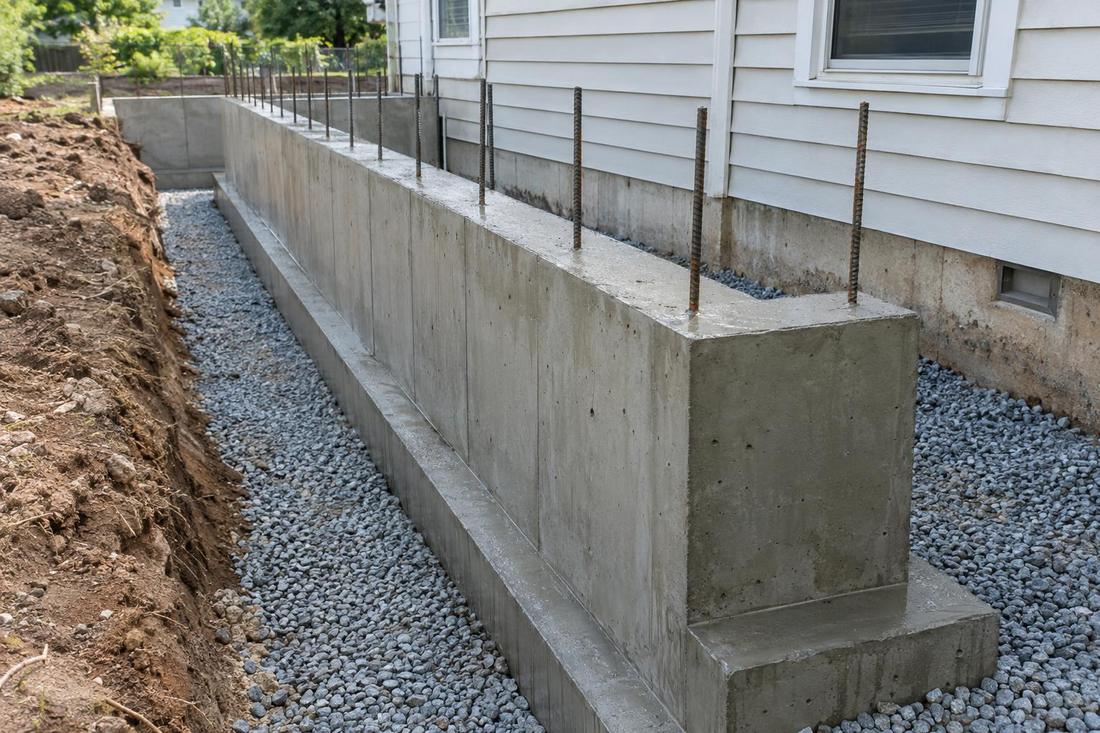
A basement adds usable space but needs deeper excavation, waterproofing and often more expense. Piers support lighter additions such as porches and decks and suit sloped sites. Each type has its own structural and drainage needs.
Your contractor should explain why they recommend a type for your site.
Soil, slope and tie-ins
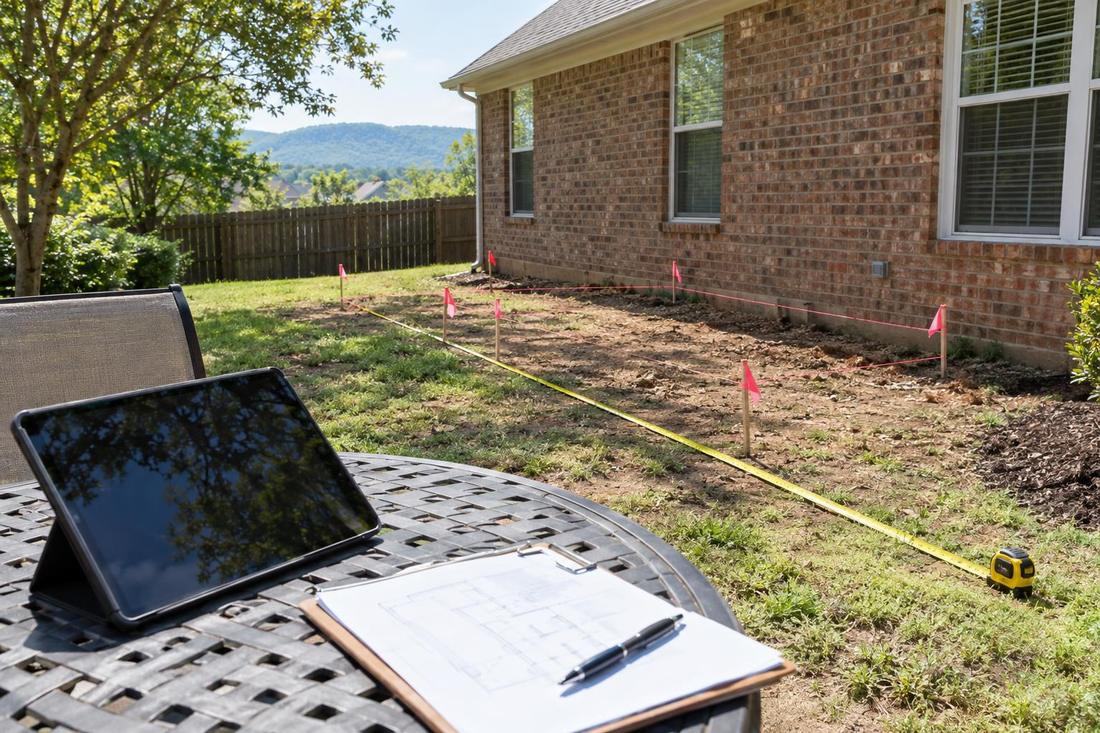
Clay soil swells and shrinks, rock can complicate digging and slopes need careful water control. Footings must reach good soil and match the depth of the existing foundation where they meet. Poor tie-ins are a common source of cracks.
A feasibility review early helps pick the right foundation.
Official sources and further reading
These are independent organizations. Links open in a new tab.
Quick answers
Can a new foundation settle differently from the old one?
It can, which is why tie-in details and good compaction matter. We design to limit movement where they meet.
Do I need a soil test?
For larger additions it may be worth it. Your contractor can advise.