Key takeaways
- Choose materials that match the house first and the weather second.
- Tennessee brings heat, humidity, storms and freeze-thaw, so flashing and drainage matter.
- Sample boards in daylight beat pictures and memory.
- The seam where old meets new needs the most careful detailing.
Roofing
Architectural shingles are most common and easiest to match. Metal roofs are durable and suit porches and some whole homes. Low-slope roofs need membranes. No matter the type, valleys and wall joints need proper flashing and underlayment.
Ask which shingle line your roof uses so a close match can be found.
Siding and trim
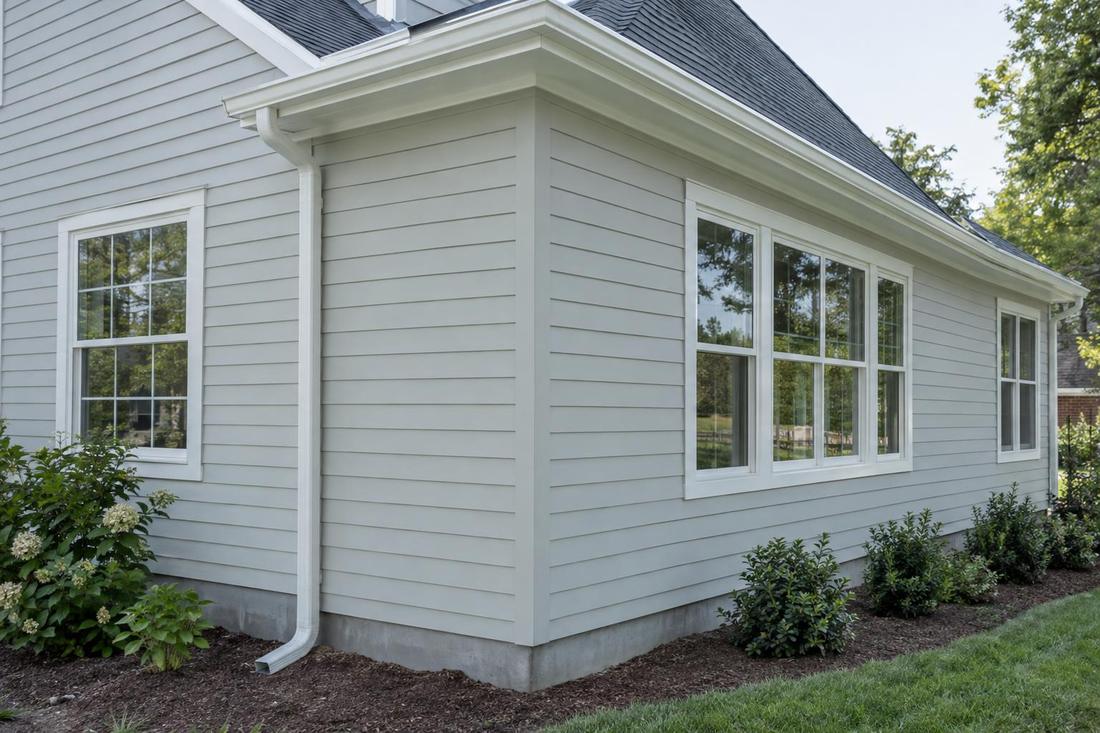
Fiber-cement is durable and takes paint well, vinyl is low maintenance and wood has a classic look but needs upkeep. Trim should match in size and profile. Flashing and sealants keep water out at windows and joints.
Painted finishes last longer when surfaces are primed on all sides.
Brick and stone
Brick and stone last for generations when built with proper ties, flashing and weep holes. Matching color and mortar is the hard part, and samples are important. Veneers can add accents without full masonry walls.
Allow time to source brick.
Windows and doors
Window frames, glass and grids affect looks and comfort. Choose units with low-energy glass for Tennessee heat and cold. Flash and seal each opening carefully, and check that bedroom windows meet egress rules.
Order early, since lead times can be long.
Official sources and further reading
- National Association of Home Builders
- University of Tennessee Extension
- U.S. Department of Energy Energy Saver
These are independent organizations. Links open in a new tab.
Quick answers
Which siding handles humidity best?
Fiber-cement and vinyl both handle humidity well when installed with proper flashing and drainage.
Can I mix materials?
Yes, often as an accent. Plan transitions carefully.