Key takeaways
- Roofline and proportion matter more than any single material.
- Window size, grid pattern and trim details are what the eye notices first.
- Brick and siding matching depends on samples, not memory.
- Painting the whole wall often gives the most seamless blend.
Roofline and proportion
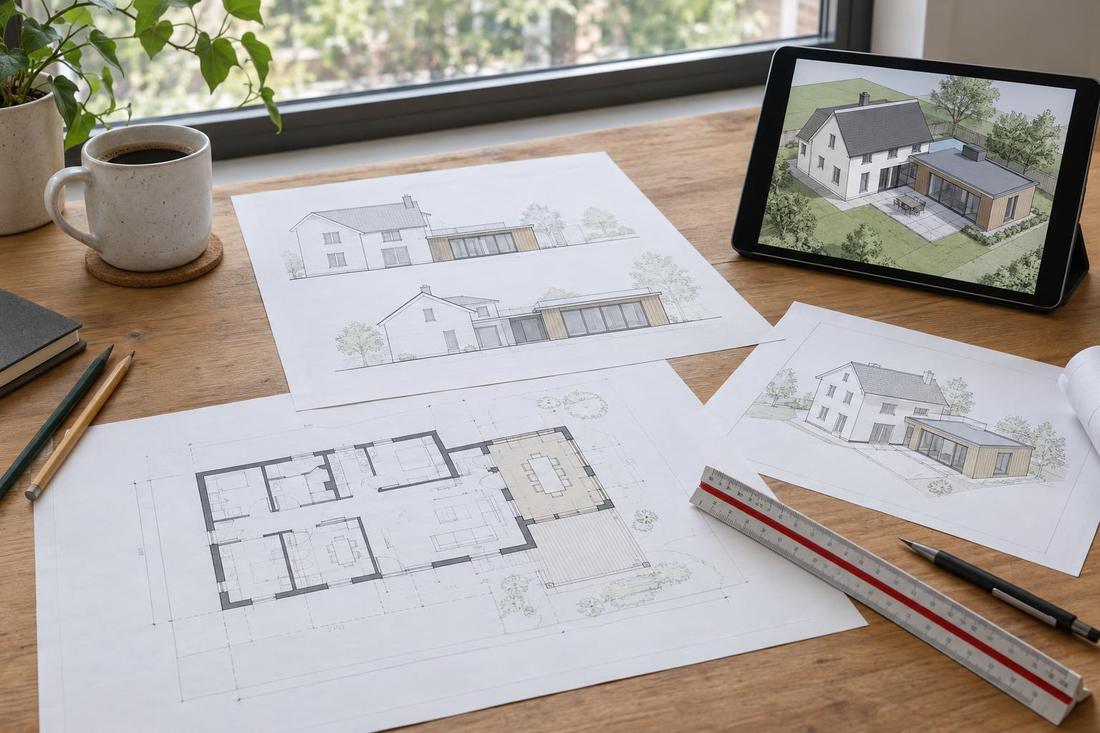
The way the addition roof meets the old roof sets the tone. Matching the pitch, eave depth and ridge height keeps lines running naturally. Adding a different roof style can work, but it takes more planning to avoid an awkward look.
Look at the house from the street and imagine the roof lines continuing.
Windows and trim
Window proportions, grid patterns and trim thickness define a style. Matching them makes the new walls feel original. Casings, sills, corner boards and fascia should follow the same sizes as the old house.
Photograph the existing details before you choose new ones.
Brick and siding
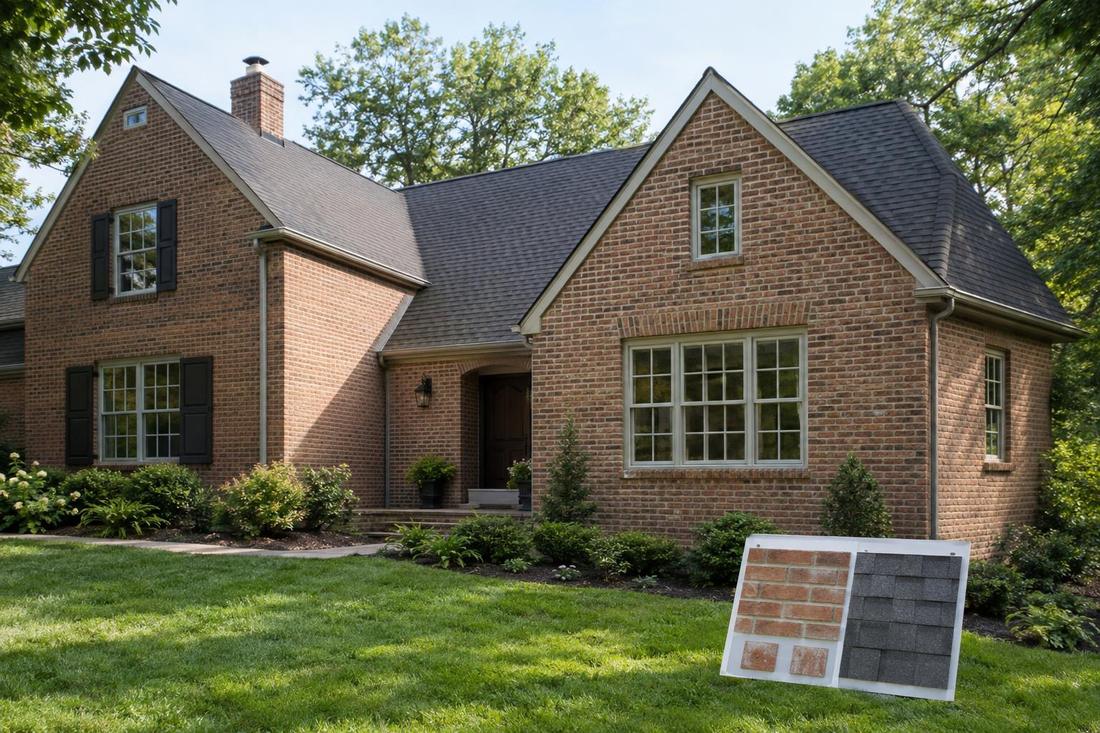
Brick comes in many sizes, colors and textures, and mortar color changes the look too. Siding comes in many profiles and sheens. Bring samples to the house in daylight and compare them to the old wall. Older materials may be discontinued, and a close substitute may be the best option.
A test panel helps you decide.
Paint and finish
Old paint fades, so a new coat on a new wall will not match an old wall right beside it. Painting the whole elevation, or the whole house, gives the most consistent result. Interior colors and floor stains need the same attention.
Plan paint as part of the project, not an afterthought.
Official sources and further reading
- National Association of Home Builders
- Metro Nashville Planning Department
- National Association of the Remodeling Industry
These are independent organizations. Links open in a new tab.
Quick answers
Should an addition match or contrast?
Most owners match for a seamless look, while some choose a complementary style. Either can work with careful design.
Can I add to a house with unusual details?
Yes, often with custom millwork. We study the details before drawing.